

Park · Montreal · ⭐ 9.1/10 · 2938 reviews · updated: 2026-08-04 15:54:44
Address: 20099 Boul Gouin O, Pierrefonds, QC H9K 1C6, Канада
Parc-nature du Cap-Saint-Jacques — countryside, forest and a beach at the western tip of the island
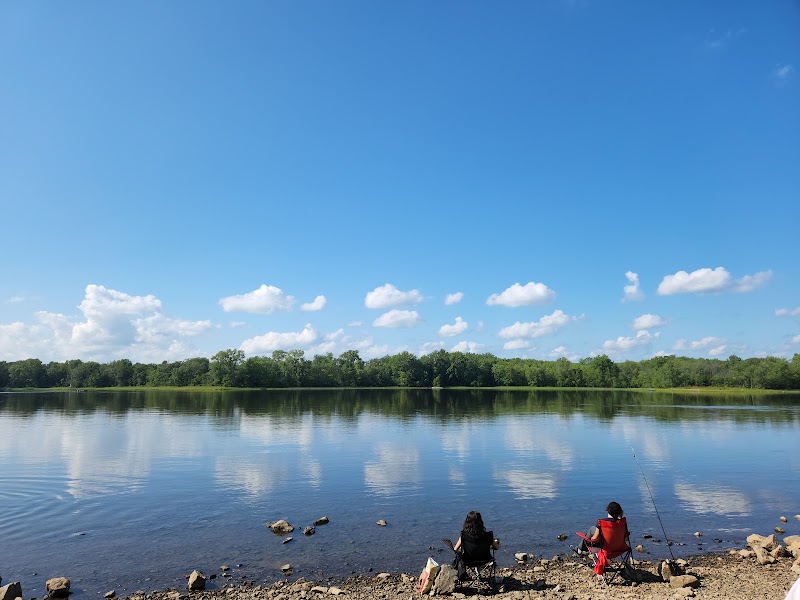
Three hundred and thirty hectares: this is the largest park on the island of Montreal, and the only one where you can, in the same day, swim in a lake, meet the animals of a certified organic market-garden farm, walk under a century-old maple stand and eat pancakes in a sugar shack. The cape forms a wooded point where Lac des Deux Montagnes meets the Rivière des Prairies, at the western tip of the island — far enough from the centre that you forget completely that you are still in Montreal.
Highlights
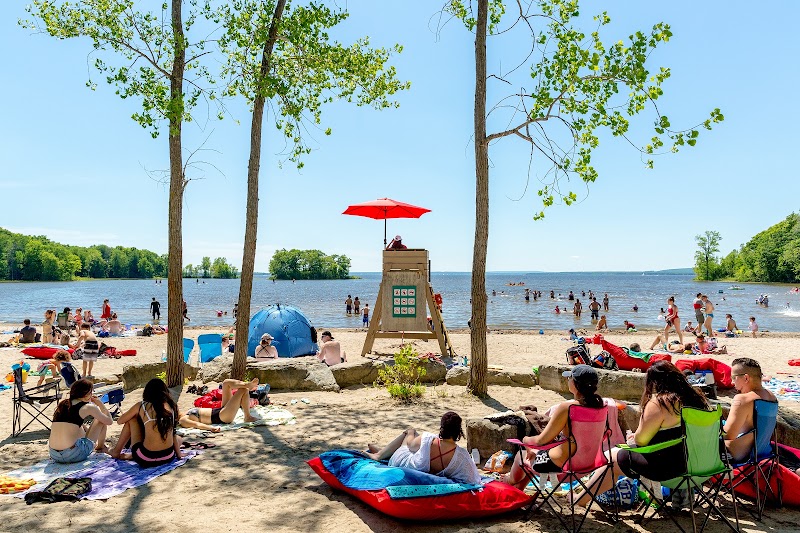
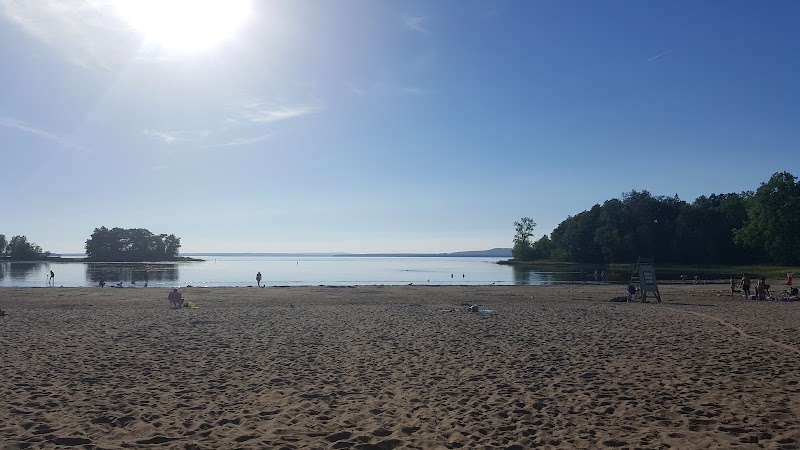
- The natural beach on Lac des Deux Montagnes — a sand beach at the back of a bay, framed by trees, with supervised swimming during the summer season.
- The ecological farm — run since 1986 by D-Trois-Pierres, a workforce reintegration organization, with certified organic market gardening, greenhouses, farm animals and a general store.
- The sugar shack — in the heart of the maple stand, with sugaring-off season in spring: pancakes, pea soup and wagon rides.
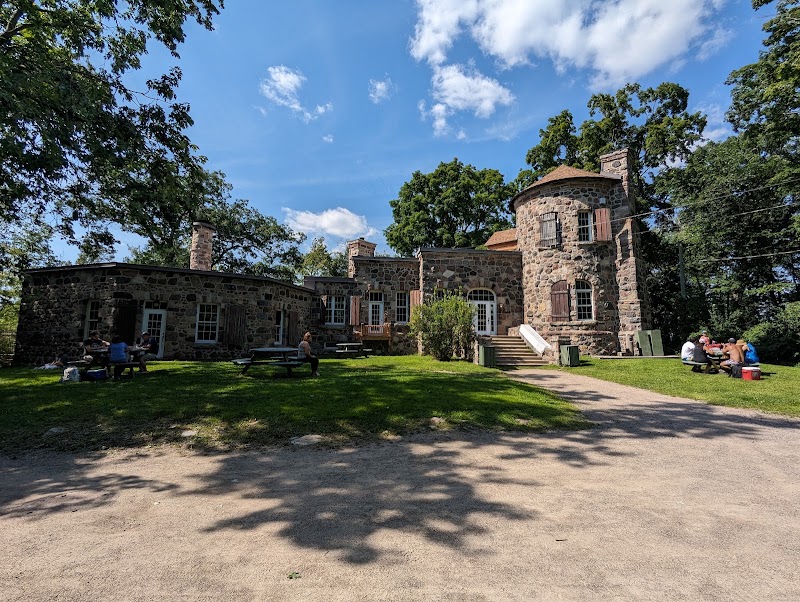
- Château Gohier — an ancestral residence from around 1916, close to the beach, looking out over the lake.
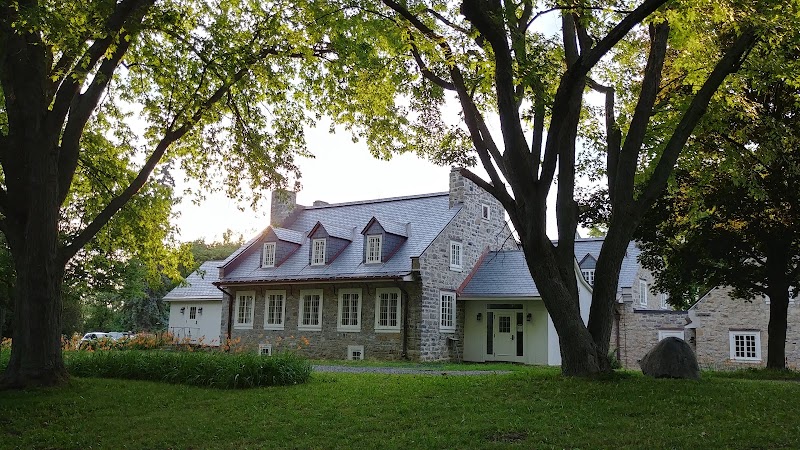
- The Maison Thomas-Brunet — a heritage building dating from around 1835, a witness to the cape’s farming past.
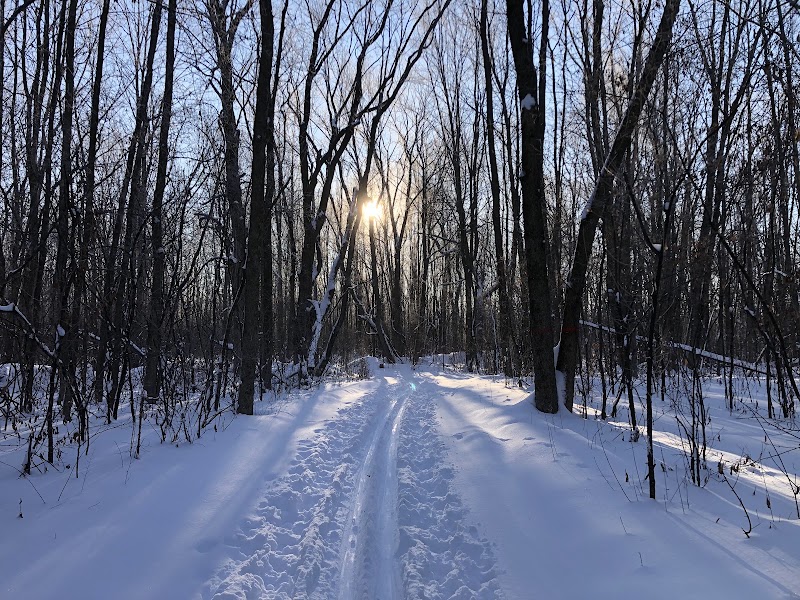
- The largest cross-country ski network in the city — some fifteen kilometres of groomed trails, doubled by snowshoe and fat bike trails.
What’s inside
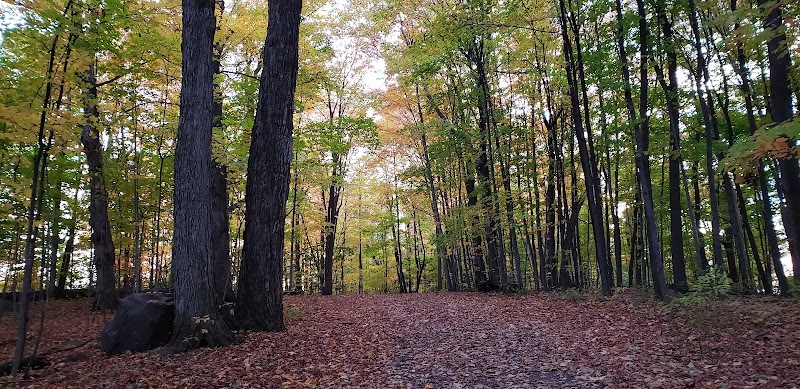
Cap-Saint-Jacques is less a park than a small territory: forest, cultivated fields, shoreline marshes and swimmable banks all share the same peninsula. The vegetation is dominated by two kinds of maple stand — sugar maple on the heights and silver maple in the flood-prone sectors along the water.
- A welcome chalet, picnic areas and accessible washrooms.
- About 7 km of walking trails in summer, some fifteen kilometres of cross-country ski trails, about 5 km of snowshoeing and a fat bike route of about 6.5 km in winter.
- A developed beach with water access and a marked swimming area.
- A working farm: fields of organic vegetables, greenhouses and animals visible to the public.
- A sugar shack and a maple stand tapped in spring.
- A boat rental service in summer and a sliding hill in winter.
What to do and who it’s for
- Families with children — the farm is the real asset: seeing animals, greenhouses and vegetable crops without leaving the island of Montreal.
- Swimmers — the only large natural lake beach in the West Island, with sand, shallow water near the shore and lifeguards in summer.
- Hikers — a forest network long enough for a genuine half-day of walking, with the lake coming back into view again and again.
- Cross-country skiers and snowshoers — the largest winter domain in Montreal’s nature parks, with little elevation change and well-maintained trails.
- Sugaring-off fans — a sugar shack right in Montreal is a rarity: no need to leave the city in March.
- Kayakers and paddlers — boat rentals on summer weekends, with direct access to the calm water of the lake.
Getting there and practicalities
The park occupies the western tip of the island, mainly in the borough of Pierrefonds-Roxboro, with its northern portion falling under L’Île-Bizard–Sainte-Geneviève. By transit, take the métro’s orange line to Côte-Vertu station, then the 68 bus westbound: it is a long trip, but it is direct and the park is served. Access to the park is free and it is open every day from 7 a.m. to 10 p.m. The farm, the sugar shack, boat rentals, beach access and parking each carry their own fees and their own calendars. Allow half a day at minimum, a full day if you are combining the beach, the farm and a long walk in the forest.
When to visit
Spring is the signature season: sugaring-off is in full swing in the maple stand, the sugar shack opens, and the farm’s fields come back to life. Summer is the beach’s high season — sand, supervised swimming, boat rentals on weekends, and the continuous shade of the forest cover to bring the temperature back down. Autumn offers one of the finest maple canopies on the island, with trails that are all but deserted and low raking light on the lake. Winter here is a genuine asset rather than an off-season: the park maintains the largest cross-country ski network in Montreal, rounded out by a snowshoe trail, a fat bike route and a sliding hill. Because the grounds are vast and lightly used on weekdays, it is often the best place in the city to ski in complete silence.
Worth knowing
The place name is old: the form “Cap Saint-Jacques” appears on maps as early as the eighteenth century, with documented uses around 1731 and 1744, though its origin has never been settled. One hypothesis links it to Jacques Bizard (1642-1692), an officer who received the neighbouring island in 1678 and gave it his name. The cape stayed farmland and religious property for a long time: the City of Montreal acquired the land on February 15, 1980 from the Congregation of the Sisters of the Holy Names of Jesus and Mary. That acquisition was part of the programme launched in 1979 by the Montreal Urban Community to build a network of regional parks — officially renamed “nature parks” on March 24, 1994. Two buildings bear witness to earlier occupations: the Maison Thomas-Brunet, around 1835, and Château Gohier, around 1916. Since 1986 the non-profit organization D-Trois-Pierres has run the cape’s ecological farm: its first mission is the workforce reintegration of people far removed from the labour market, and it grows dozens of vegetable varieties in certified organic market gardening, here as on the farmland at Bois-de-la-Roche. The park is slated to be folded into the future Grand parc de l’Ouest, a project announced by the city to bring together several large natural spaces at the western tip of the island.
Visitor tips
- The transit trip is long: leave early and plan to stay for a good part of the day so that the journey is worth it.
- The farm, the sugar shack and the beach each have their own seasonal calendar — check the opening periods before you set out, because they do not line up with the park’s hours.
- In winter the wind off the lake bites on the open sections of the cape: dress in layers and keep the welcome chalet as your fallback.
Questions and answers
Can you swim at Cap-Saint-Jacques? Yes. The park has a natural sand beach on Lac des Deux Montagnes, with a marked swimming area and lifeguards during the summer season.
Who runs the park’s farm? The non-profit organization D-Trois-Pierres, on the site since 1986. It combines certified organic market gardening with a workforce reintegration mission.
Is there really a sugar shack in Montreal? Yes, in the park’s maple stand. It operates during the sugaring-off season in spring and serves pancakes, pea soup and wagon rides among other things.
How big is the park? About 330 hectares, which makes it the largest park on the island of Montreal.
How do you get there without a car? Orange line métro to Côte-Vertu, then the 68 bus westbound. The trip is long but direct from the middle of the island.
What is there to do in winter? The park maintains the largest cross-country ski network in Montreal — some fifteen kilometres — plus a snowshoe trail of about 5 km, a fat bike route and a sliding hill.
Is admission to the park free? Yes, access to the park is free. The farm, the sugar shack, the beach, boat rentals and parking are charged separately.
How much time should I allow? Half a day at minimum. Count on a full day to combine the beach, the farm, the sugar shack and a long hike in the forest.
Photos
Show 1 more photos
Visitor reviews
Reviews last updated: 2026-08-04 15:54:44
Data is refreshed monthly. Sources: montreal-name.com and editorial picks based on reviews.
Гарний та тихий парк з прекрасним видом на річку Сен-Лоуренс. Доступні кілька стежок для прогулянок, а також місце для пікніка, де можна провести день. Парковка платна: 8 доларів за 2 години або 10 доларів за день.
Просто вау! Вперше взяли цуценят на цю стежку і насолоджувалися кожною секундою. Ми пройшли великою червоною стежкою кроликів (приблизно 5,5 кілометрів), і це була чудова суміш місцевості, від асфальтованих доріжок до ук…
Моє улюблене місце для барбекю.
Дуже класний парк, де можна відпочити у тиші. Взимку лижі, влітку пляж.
Невеликий пляж. Чудові пішохідні стежки. Цікава ферма з живими тваринами. Цікаві місця для дітей. Чисті туалети (принаймні той, що біля ферми). Столи для пікніка як навколо пляжу, так і на березі річки біля ферми. Гарне…